


Early Childhood Learning Activity Ideas for Ages 3–5
Early childhood learning activities are play-based experiences that build cognitive, language, and motor skills during the most critical window of brain development. The preschool years, ages 3–5, are defined by rapid neural growth, when activities like sorting bins, storytelling, and sensory play form the foundation for lifelong learning. You do not need a classroom or a curriculum. A kitchen table, a cardboard box, and a curious child are enough to get started.
What are the best early childhood learning activity ideas?
The four core categories of early learning activities are sensory play, fine motor skill building, open-ended creative play, and STEM exploration. Experts recommend all four categories for preschoolers, and most activities require only common household items. That means cost is rarely a barrier. Each category targets a different area of development, so rotating through all four gives your child a well-rounded foundation.
Here is what each category builds and why it matters:
- Sensory play builds vocabulary and neural connections through touch, texture, and sound.
- Fine motor activities develop the hand strength and coordination children need for writing readiness.
- Creative play builds imagination, resilience, and early problem-solving skills.
- STEM exploration introduces cause-and-effect thinking, early math concepts, and logical reasoning.
Play is the natural language of young children. Meaningful learning happens through playful investigation, not rote memorization. When you frame activities as games rather than lessons, children engage longer and retain more.
1. Sensory bins with rice, sand, or water
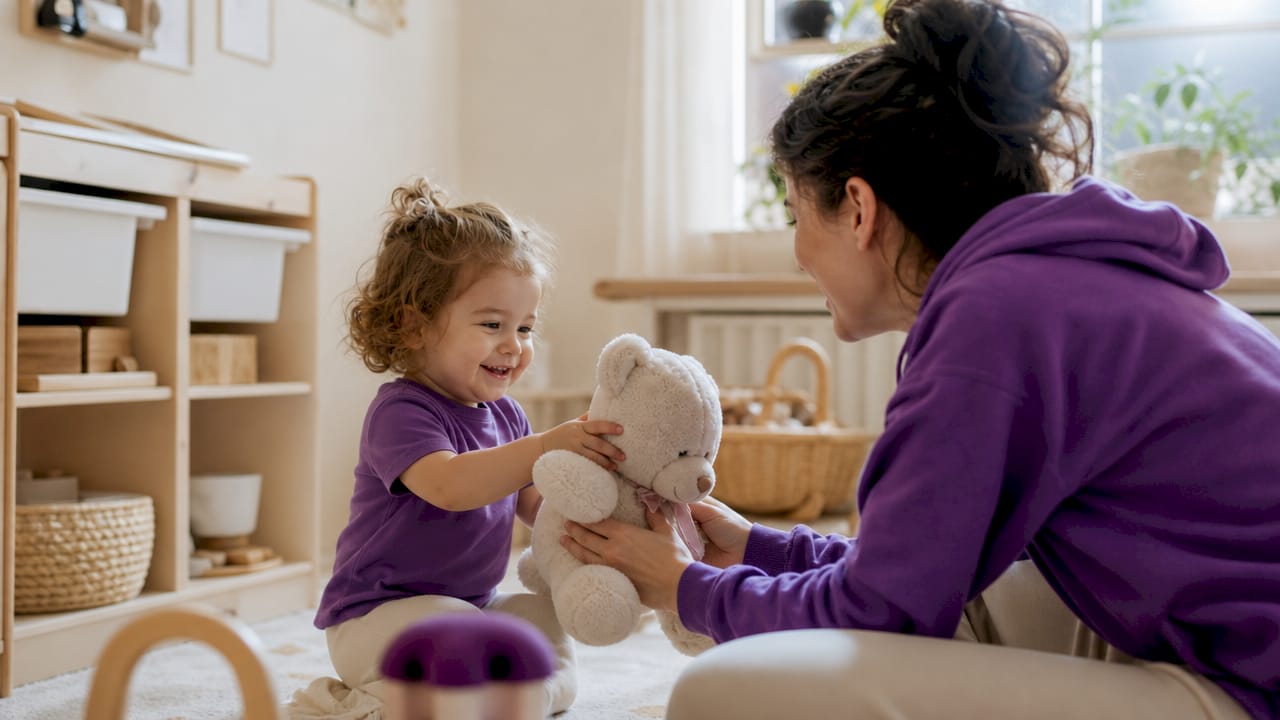
Sensory bins are containers filled with a base material, like dry rice, kinetic sand, or water, plus small objects for children to find, sort, and describe. They are one of the most effective preschool learning activities because they stimulate multiple senses at once. A child scooping rice and naming what they find builds vocabulary, focus, and fine motor control simultaneously.
Set up is simple. Fill a plastic bin with dry pasta, dried beans, or sand. Add small toys, measuring cups, or letter tiles. Let your child explore without a script. Safety note: supervise closely with children under 3 who may mouth small objects.
Pro Tip: Rotate the base material every few days. Switching from rice to water to shredded paper keeps the activity fresh and maintains engagement without buying anything new.
- Add letter tiles or number cards to connect sensory play to early literacy activities.
- Use descriptive language as you play: “rough,” “smooth,” “heavy,” “light.”
- Ask open questions: “What does that feel like?” or “Can you find something round?”
Narrating what your child touches and discovers is one of the fastest ways to grow their vocabulary. Descriptive language during sensory play directly supports communication skills.
2. Texture exploration bags
Texture bags are sealed zip-lock bags filled with materials like hair gel, paint, or shaving cream. Children press, squish, and trace letters or shapes on the outside of the bag without making a mess. This activity combines sensory input with early writing readiness in a format children find genuinely exciting.
The sealed bag format is ideal for caregivers who want low-cleanup creative play ideas. Add a few drops of food coloring to hair gel, seal the bag with tape, and invite your child to draw letters with their finger. The “magic” of watching color move holds attention far longer than a worksheet.
- Use texture bags to practice tracing letters before moving to pencil and paper.
- Try different fillings: cooked spaghetti, foam beads, or water beads for varied sensory input.
- Label the bag with a letter and ask your child to trace it repeatedly.
3. Stacking and sorting with everyday objects
Stacking blocks, sorting colored buttons into a muffin tin, and threading beads onto pipe cleaners are classic fine motor skill builders. These activities build the hand strength and pincer grip children need for writing readiness. They also introduce early math concepts like grouping, counting, and pattern recognition.
You do not need specialty toys. A set of plastic cups, a handful of dried pasta shapes, or a collection of mismatched buttons works just as well. The goal is repetition of small, controlled hand movements. That repetition is what builds coordination over time.
Pro Tip: Set up an “invitation to play” by arranging materials on a tray before your child wakes up. Children engage more deeply when they discover an inviting setup independently rather than receiving direct instructions.
- Tweezers and tongs add challenge and build grip strength faster than hands alone.
- Sorting by color, size, or shape introduces classification skills.
- Bead stringing with large wooden beads builds sequencing and pattern recognition.
4. Cutting and tearing practice
Cutting with child-safe scissors is one of the most direct paths to school readiness. It builds bilateral coordination, the ability to use both hands for different tasks at the same time, which is a prerequisite for writing. Tearing paper into strips or shapes is a gentler starting point for younger children who are not yet ready for scissors.
Provide old magazines, junk mail, or construction paper. Ask your child to cut along drawn lines, then progress to curves and shapes. Gluing the cut pieces onto paper adds a creative layer and extends the activity naturally.
- Start with straight lines, then progress to zigzags and curves.
- Tearing paper into small pieces for collage builds the same grip muscles as cutting.
- Connect cutting practice to preschool writing readiness by explaining that strong hands make writing easier.
5. Pretend play and dramatic storytelling
Pretend play is one of the most powerful early learning games available, and it costs nothing. When children act out scenarios, whether playing house, running a pretend store, or becoming a superhero, they practice language, sequencing, and social reasoning. Dramatic play builds the narrative thinking that underlies reading comprehension.
Set up a simple pretend store with empty food boxes and a toy cash register. Ask your child to be the shopkeeper and you be the customer. This single setup teaches counting, turn-taking, vocabulary, and cause-and-effect thinking all at once.
- Dress-up stations with old clothes and hats spark imaginative scenarios without any prompting.
- Puppet shows using socks or paper bags build storytelling and sequencing skills.
- Reading a book and then acting it out reinforces comprehension and language recall.
6. Arts and crafts with recycled materials
Recycled household objects with no defined purpose, like toilet paper rolls, cardboard boxes, and egg cartons, encourage imagination better than many store-bought toys. When a child decides that a cardboard tube is a telescope or a rocket ship, they are practicing creative problem-solving. The open-ended nature of the material is the point.
Avoid directing the final product. A child who glues cotton balls onto a paper plate is not making a cloud. They are experimenting with texture, adhesion, and composition. The process is the learning. Commenting on what they are doing rather than what it looks like builds confidence and resilience.
- Cardboard box cities, rocket ships, and puppet theaters require only tape and imagination.
- Collage with torn paper, fabric scraps, and natural items like leaves builds fine motor skills.
- Painting with unusual tools, like sponges, forks, or bubble wrap, introduces texture and pattern concepts.
7. Sink or float experiments
Sink or float is a classic STEM activity that introduces cause-and-effect reasoning to children as young as 3. Fill a bowl or bin with water. Gather a mix of objects: a coin, a cork, a plastic toy, a rock, a leaf. Ask your child to predict whether each object will sink or float before dropping it in. Then test the prediction.
Short structured activities done in 15–30 minute blocks improve focus and understanding of sequencing and cause-and-effect without formal schooling. Sink or float fits perfectly in that window. It also introduces the concept of a hypothesis, a prediction you test, which is the foundation of scientific thinking.
| Activity | Concept Introduced | Materials Needed |
|---|---|---|
| Sink or float | Cause and effect, prediction | Bowl of water, household objects |
| Pattern building | Sequencing, early math | Colored blocks, buttons, pasta |
| Marble roller coaster | Iterative design, physics | Cardboard tubes, tape, marbles |
| Sorting by size | Classification, measurement | Buttons, cups, dried beans |
8. Pattern building and sorting games
Pattern building is one of the most accessible early math activities. Line up colored blocks in a sequence: red, blue, red, blue. Ask your child to continue the pattern. Then let them create their own. This activity builds the logical thinking that underlies both math and reading, because both require recognizing and predicting sequences.
Sorting games work the same cognitive muscle. Give your child a pile of mixed objects and ask them to sort by color, then by size, then by shape. Each new sorting rule requires flexible thinking. That flexibility is exactly what school readiness standards target in the preschool years.
9. Marble roller coasters
Building a marble roller coaster from cardboard tubes and tape is one of the best STEM activities for ages 4 and up. The goal is to guide a marble from a high point to a low point using tubes taped to a wall or propped on books. The first attempt rarely works. That is the whole point.
Learning through failure and testing builds critical thinking and perseverance. When a tube is angled wrong and the marble stops, your child has to diagnose the problem and adjust. That iterative process, build, test, fix, repeat, is the engineering design process in its simplest form. Over-focusing on a perfect final product misses the learning entirely.
10. Letter tracing with magic ink
Letter tracing is a developmental activity that bridges fine motor skill building and early literacy. Tracing letters repeatedly builds the muscle memory children need before they can write independently. The key is making the practice feel like play rather than a task. Littlepumpkins designs reusable magic ink tracing books for children ages 3–6 that let kids trace letters in English, Punjabi, and Hindi. The ink appears and disappears, so the same page can be used again and again.
Parents report significant improvements in their children’s willingness to engage with writing tasks when the format feels magical rather than academic. Activity books support independent learning by giving children a structured but self-directed format. That combination of structure and autonomy is exactly what developmental research recommends for ages 3–5.
Key takeaways
The most effective early childhood learning activities are play-based, use everyday materials, and target sensory, fine motor, creative, and STEM development across short, engaging sessions.
| Point | Details |
|---|---|
| Play is the method, not the break | Learning happens through play, not despite it. Structure activities as games, not lessons. |
| Four categories cover all key skills | Sensory, fine motor, creative, and STEM activities together build cognitive and language foundations. |
| Household items are enough | Cardboard, rice, water, and buttons deliver the same developmental benefits as expensive toys. |
| Short sessions work best | Activities in 15–30 minute blocks build focus and understanding without fatigue or resistance. |
| Follow your child’s curiosity | Child-led exploration produces deeper engagement than adult-directed instruction. |
Why I stopped trying to “teach” my kids and started playing with them
The biggest shift I made was stopping the search for the perfect activity and starting to pay attention to what my child was already doing. Children signal their readiness to learn through what they reach for, what they repeat, and what makes them laugh. The moment I followed those signals instead of a schedule, everything got easier.
The research backs this up. Following a child’s curiosity is more effective than replicating classroom curriculum at home. Parents do not need to be experts. They need to be present, curious alongside their child, and willing to let a cardboard box become a spaceship.
The other thing I learned is that integrating learning into daily life beats formal drills every time. Counting apples at the grocery store, naming colors on a walk, or asking “what do you think will happen?” while cooking are all developmental activities. They do not feel like school because they are not school. That is exactly why they work.
The activities in this article are not a curriculum. They are a menu. Pick one, watch what your child does with it, and let their response guide what comes next. That is the whole method.
— Bobby
Learning tools that grow with your child
Every activity in this article builds toward the same goal: a child who loves to learn and feels confident doing it. Littlepumpkins creates books and tools designed to carry that momentum forward, especially when it comes to writing and language.
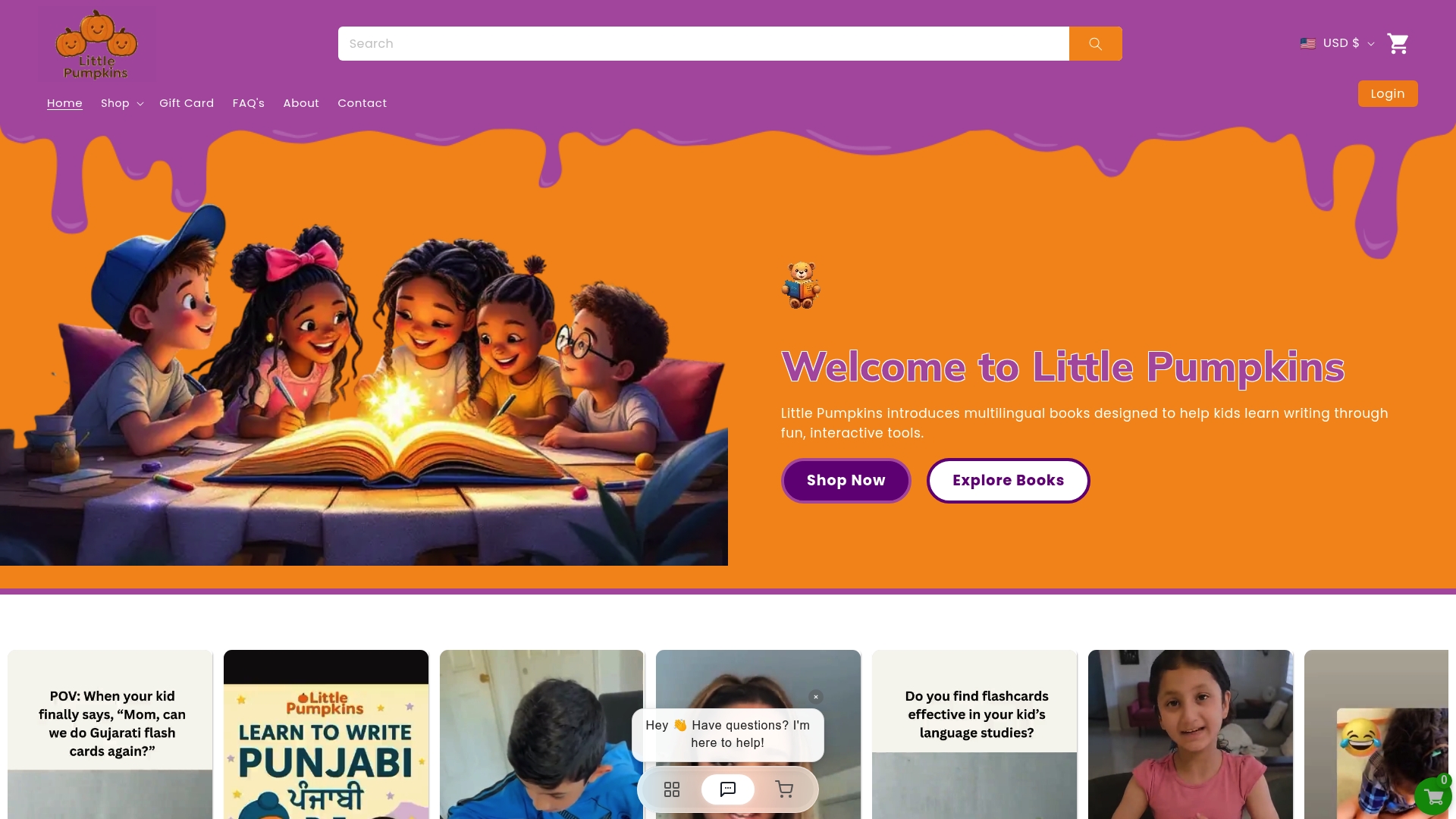
The writing and tracing books from Littlepumpkins use reusable magic ink technology, so children can practice letters again and again without wasting paper. For families raising bilingual children, the Hindi tracing books make heritage language learning feel like play rather than homework. Pair any of these with the sensory and creative activities above, and you have a complete, joyful learning routine your child will actually ask for.
FAQ
What are learning activities for toddlers at home?
Learning activities for toddlers include sensory bins, stacking games, pretend play, and simple sorting tasks using household items. These build language, motor skills, and early math concepts through hands-on exploration.
How long should preschool learning activities last?
Activities in 15–30 minute blocks are most effective for preschoolers. Short sessions improve focus and understanding without causing fatigue or resistance.
Do I need special materials for early learning games?
No special materials are required. Rice, cardboard boxes, buttons, and water deliver strong developmental benefits and are recommended by early childhood educators.
What is play-based learning?
Play-based learning is an educational approach where children develop cognitive, language, and social skills through guided and free play rather than direct instruction. It is the standard recommended method for children ages 3–5.
How do creative play ideas support language development?
Pretend play, storytelling, and dramatic activities require children to use and expand vocabulary, practice sequencing, and communicate ideas. These skills directly support reading comprehension and expressive language growth.