


Innovative Writing Tools for Early Childhood Literacy
Innovative writing tools for early childhood are specialized resources designed to build young children’s writing skills through play, motor development, and bilingual language support. The best of these tools go far beyond pencils and worksheets. They range from playdough and egg-shaped crayons that build hand strength, to digital apps like Effling Kids and story creators like Vooks Creator that encourage storytelling across multiple languages. For parents and educators supporting bilingual learners, the right sequence of these tools makes all the difference in building both literacy and cultural connection.
1. What are the best tactile tools that build fine motor skills?
Pre-writing physical tools like playdough and egg-shaped crayons are the foundation of writing readiness, not pencils. Children aged 3–5 need hand strength and muscle control before they can hold a writing tool with precision. Skipping this stage leads to poor grip habits that are hard to correct later.
Here are the tactile tools that do the most work:
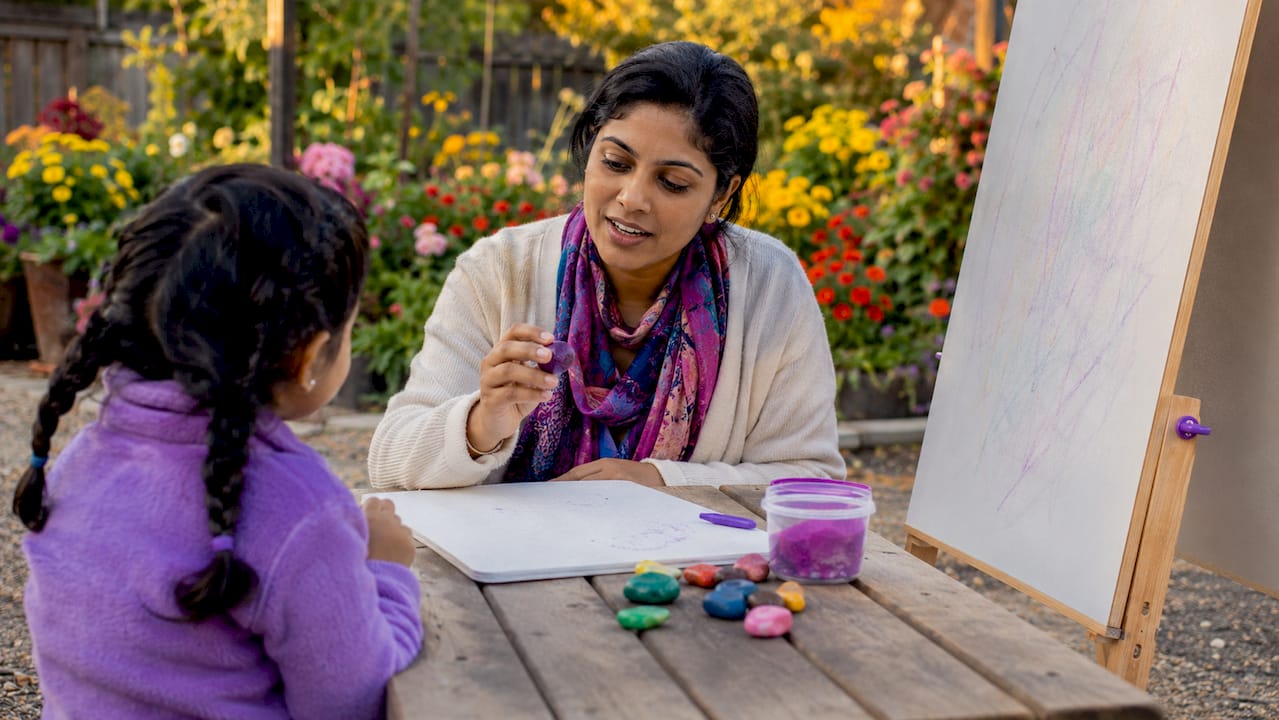
- Playdough and clay: Kneading, rolling, and pinching playdough strengthens small hand muscles needed for pencil grip. This is the single most underrated pre-writing activity.
- Broken crayons and rock crayons: Short, broken crayons promote tripod grasp by forcing the thumb, index, and middle finger to work together. Long crayons and markers let children use a fist grip instead.
- Letter stones: Smooth stones with raised or painted letters give children a tactile way to explore letter shapes before writing them.
- Egg-shaped crayons: These are shaped to fit small hands naturally. They make it nearly impossible for a child to grip incorrectly.
Markers are a common choice for parents, but they actually work against muscle development. Markers glide too easily, so children can color for long stretches without building any finger strength. Save them for art projects, not writing practice.
Pro Tip: Sequence your tools by resistance. Start with playdough, move to rock crayons, then egg-shaped crayons, and only introduce pencils once a child can hold a crayon with three fingers comfortably.
2. How can digital apps support early writing and bilingual literacy?
Digital writing resources for kids have grown well beyond simple tracing screens. The best apps now combine stroke order guidance, bilingual support, and creative storytelling in one place. For families raising children in two languages, these tools fill a gap that physical tools alone cannot.
Key apps worth knowing:
- Effling Kids: This app helps children practice writing in multiple languages with step-by-step stroke order guidance. It includes a toddler mode for free scribbling, a parent control panel, and weekly progress tracking. It supports scripts beyond the Latin alphabet, making it genuinely useful for bilingual families.
- Vooks Creator and Kid Creator Studio: These apps let children write, narrate, and illustrate their own stories. Features include talk-to-text, AI illustration, and text-to-speech. Children’s creative confidence grows when they move from consuming stories to creating them.
The best digital apps do three things well. They give children a reason to write, they make the process feel like play, and they give parents visibility into progress. Apps that lack parental controls or progress tracking are harder to use consistently in a home or classroom setting.
Pro Tip: Use digital apps as a complement to physical tools, not a replacement. A child who has built hand strength with playdough will engage more meaningfully with a tracing app than one who has not.
3. What creative writing aids keep young children motivated?
Motivation is the hidden variable in early writing development. A child who wants to write will practice far more than one who is drilled. The right creative writing aids for children make writing feel like self-expression, not schoolwork.
| Tool | Best for | Age range |
|---|---|---|
| Story stones | Oral storytelling and sequencing | 3–5 years |
| Magnetic letters | Letter recognition and word building | 3–6 years |
| Dry-erase boards (upright) | Shoulder and wrist strength development | 3–5 years |
| Guided journals | Structured creative writing prompts | 5–7 years |
| Handwriting workbooks | Letter formation and pencil control | 4–7 years |
Dry-erase boards deserve special attention. When placed vertically on a wall or easel, they develop shoulder strength and wrist extension that are foundational for writing. Most parents use them flat on a table, which misses this benefit entirely.
For older children in the 7–11 range, structured resources like Cracking Creative Writing align grammar and punctuation practice with storytelling. Structured creative writing sessions of 30–60 minutes build grammar skills and engagement far better than isolated drills. That principle applies even to younger children: short, story-driven sessions beat repetitive worksheet practice every time.
4. How to select writing tools for different developmental stages
Choosing the right writing skills development tool depends on three factors: the child’s age, their current motor skill level, and their language background. No single tool works for every child at every stage.
Here is a practical sequence to follow:
- Ages 2–3 (large manipulatives): Start with playdough, finger painting, and large chunky crayons. The goal is hand awareness and muscle building, not letter formation.
- Ages 3–4 (fine motor tools): Introduce broken crayons, egg-shaped crayons, and letter stones. Add vertical dry-erase boards for shoulder development. Check for signs of writing readiness before moving forward.
- Ages 4–5 (pre-writing practice): Add golf pencils and short pencils that encourage a proper grip. Begin tracing activities on paper or reusable tracing books. This is the right time to introduce writing readiness activities that connect motor skills to letter shapes.
- Ages 5–6 (writing and digital tools): Introduce guided writing apps, bilingual tracing books, and story creation tools. Digital apps work best at this stage because children have the motor control to engage meaningfully.
For bilingual children, combine physical and digital tools from the start. A child learning both English and Hindi benefits from tracing books in both scripts alongside an app like Effling Kids that reinforces stroke order. Physical tools build the muscle memory; digital tools reinforce the visual pattern of each script. You can learn more about bilingual learning materials to find the right combination for your child.
Pro Tip: Never rush the pencil. Early childhood educators emphasize that school readiness is about hand strength and control, not early pencil use. A child who skips the tactile stage often develops a grip that causes fatigue and frustration later.
5. Expert-recommended practices to maximize writing tool effectiveness
The tools you choose matter less than how you use them. These practices come directly from early childhood educators and writing specialists.
“Appropriate resistance from tools like playdough is more important than early writing attempts. Hand strength and control are the true markers of writing readiness.” — Early childhood writing specialists, Parenting to Impress
Avoid premature pencil introduction. Most children are not ready for pencils before age 4. Introducing them too early creates grip habits that are difficult to undo. Let the tactile tools do their job first.
Use vertical surfaces consistently. Taping paper to a wall, using an upright easel, or mounting a dry-erase board at shoulder height all develop the wrist extension and shoulder stability that writing on a flat surface does not. This one change makes a measurable difference in fine motor control.
Make writing part of daily play. Children who write every day, even for five minutes, build writing muscle memory faster than those who practice in longer, less frequent sessions. Keep tools accessible and low-pressure.
Use storytelling as the bridge to writing. When children narrate a story first and then try to write it down, they have a reason to write. Apps like Vooks Creator and physical tools like story stones both serve this purpose. Play-based learning improves writing motivation in ways that drills simply cannot replicate.
Balance screen time with physical activity. Digital apps are powerful, but they work best when paired with physical writing practice. A 50/50 balance between screen-based and hands-on tools gives children the best of both approaches.
Key takeaways
The most effective approach to early childhood writing development is a sequenced combination of tactile tools, creative aids, and bilingual digital resources matched to each child’s developmental stage.
| Point | Details |
|---|---|
| Start with tactile tools | Playdough and broken crayons build the hand strength pencils require. |
| Sequence by readiness | Move from large manipulatives to fine motor tools to pencils and apps in order. |
| Use vertical surfaces | Upright dry-erase boards develop shoulder and wrist strength flat surfaces miss. |
| Support bilingual learners | Combine physical tracing books with apps like Effling Kids for dual-script practice. |
| Make writing playful | Story-driven sessions and creative apps build motivation that worksheets cannot. |
My take on tools vs. readiness
I have seen a pattern repeat itself with parents and educators: they reach for the pencil too soon. It feels like progress. A child holding a pencil looks like a child who is learning to write. But if the hand muscles are not ready, that pencil creates frustration, not confidence.
The tools that have impressed me most are the ones that do not look like writing tools at all. Playdough. A chunk of broken crayon. A dry-erase board stuck to the wall at a child’s shoulder height. These build the physical foundation that makes everything else possible.
For bilingual families, the challenge is even more specific. You are not just teaching a child to write. You are teaching them to write in two scripts, often with different stroke patterns and directions. That is where tools like Littlepumpkins’ reusable magic ink tracing books genuinely stand apart. They make the repetition feel magical rather than mechanical, and that matters enormously for a 4-year-old who would rather be playing.
My honest advice: resist the urge to rush toward apps and worksheets. Spend the first year on tactile tools. Then layer in tracing books and digital resources once the grip is there. The children I have seen follow this sequence arrive at formal writing with confidence and curiosity, not avoidance.
— Bobby
Explore Littlepumpkins’ writing and tracing books
If you are looking for writing tools that support both early literacy and bilingual language development, Littlepumpkins has you covered.
Littlepumpkins offers writing and tracing books for kids in English, Hindi, Nepali, and other languages, all featuring reusable magic ink technology. Children aged 3–6 can trace letters again and again without wasting paper, making practice feel like play. The books pair beautifully with the tactile and digital tools described in this article. For families who want to explore the full range of resources, browse all learning tools at Littlepumpkins and find the right fit for your child’s stage and language background.
FAQ
What are the best writing tools for preschoolers aged 3–5?
Broken crayons, egg-shaped crayons, playdough, and vertical dry-erase boards are the most effective tools for this age group. They build the hand strength and grip control that pencils require.
When should I introduce a pencil to my child?
Most children are ready for pencils around age 4–5, after they have developed a consistent tripod grasp with shorter crayons. Introducing pencils too early can create grip habits that cause fatigue and frustration.
How do digital apps support bilingual writing development?
Apps like Effling Kids provide stroke order guidance and writing practice in multiple scripts, making them well-suited for children learning two languages at once. They work best when paired with physical tracing tools.
How does tracing help children learn to write?
Tracing builds the muscle memory needed for letter formation by guiding the hand through the correct stroke pattern repeatedly. You can read more about why tracing supports script learning for both Latin and non-Latin alphabets.
Are reusable tracing books better than standard workbooks?
Reusable tracing books let children practice the same letters many times without running out of pages, which is ideal for building muscle memory. They also reduce waste, making them a practical choice for daily use at home or in the classroom.