


Preschool Writing Curriculum Resource List for Parents
A preschool writing curriculum resource list is a carefully curated collection of tools, programs, and materials designed to build early literacy and writing skills in children ages 3–6. The best lists go beyond letter tracing. They cover fine motor development, emergent writing, phonological awareness, and play-based learning. Resources like Little Owls Resources, LitSteps, and programs endorsed by the American Academy of Pediatrics (AAP) show that the most effective early writing support starts with movement, meaning, and motivation. This guide walks you through what to look for, what to use, and how to make it work at home or in the classroom.
What makes a strong preschool writing curriculum resource list?
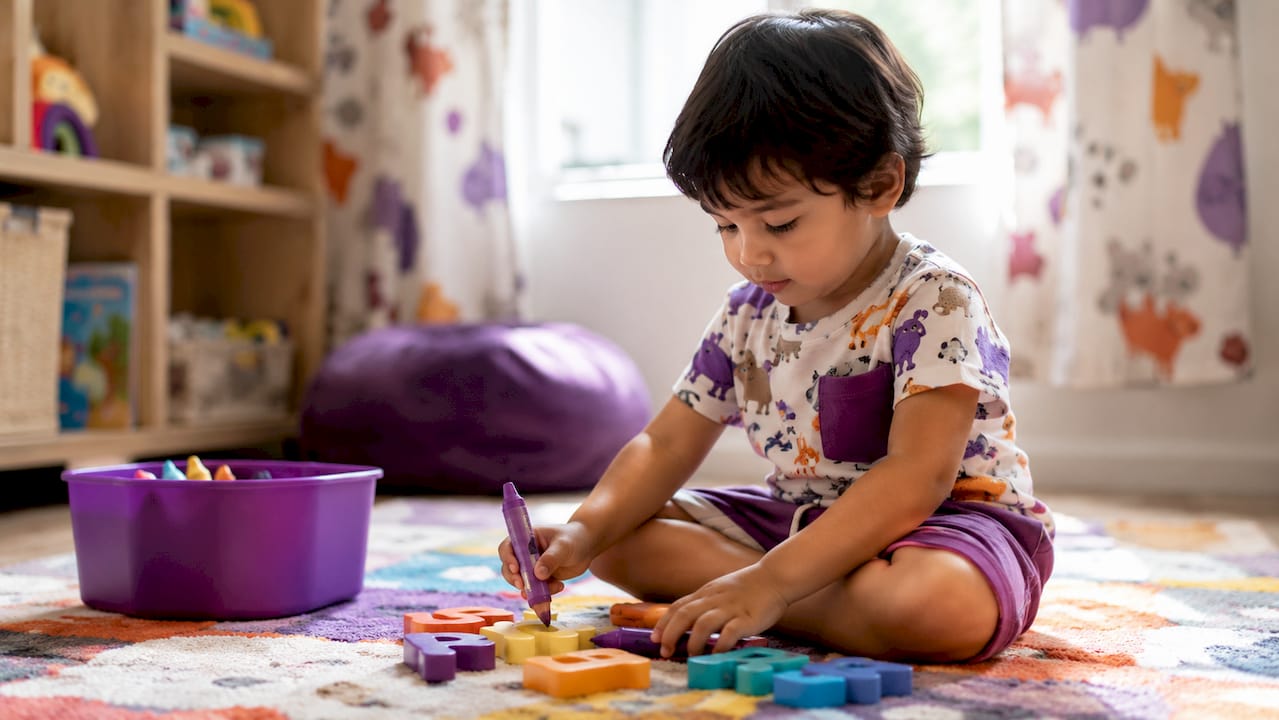
The strongest early writing curricula share one defining feature: they treat writing as a physical and communicative skill, not just an academic exercise. Before a child can form letters, they need shoulder stability, wrist rotation, and a functional pincer grip. Curricula that skip this foundation often frustrate children and parents alike.
Key criteria to look for when building your resource list:
- Play-based and developmentally appropriate methods. Children ages 3–4 learn best through movement and exploration, not drills.
- Fine motor skill progression. Look for programs that sequence grip strength, wrist fluidity, and mark-making before introducing letter formation.
- Emergent writing with real purpose. Functional writing tasks like making shopping lists, labeling drawings, or writing pretend tickets shift writing from a chore to a communication tool.
- Scaffolded lesson plans. Programs spanning 40+ weeks give children time to grow without pressure.
- Bilingual and multilingual support. Families raising children in more than one language need resources that honor both scripts and cultures.
- Inclusivity features. Look for differentiated materials that support children with varying developmental needs.
Pro Tip: Avoid any program that pushes perfect letter formation before age 4. Early childhood experts consistently flag premature perfectionism as a motivation killer. Focus on mark-making and grip first.
Top resources for early writing activities and literacy development
The following resources represent the strongest options available for parents and educators building a preschool writing program. Each addresses a different need, so the best approach is to combine two or three rather than rely on a single source.
-
Little Owls Resources Fine Motor Mini Sessions. This bank of 18 sequenced mini-sessions targets pincer grip and wrist fluidity for children ages 3–4. Sessions run 5–10 minutes each, making them easy to fit into any daily routine. The focus is physical readiness, not letter accuracy.
-
LitSteps Preschool Literacy Program. LitSteps offers 42+ weeks of scaffolded lessons combining reading, phonics, and fine motor practice for children ages 3–5. Pricing runs from $30 per month to $180 for a full bundle. The program includes both digital and printable formats, which works well for home and classroom use.
-
Teachers Pay Teachers PreK Bundles. These 42-week curriculum bundles integrate math, literacy, and science with fine motor activities. They suit Transitional Kindergarten and PreK classrooms well. Lesson plans are detailed and ready to use.
-
AAP Early Literacy Resources. The American Academy of Pediatrics emphasizes that shared reading and daily conversation outperform standalone curriculum products for early literacy. Their free resources guide parents on phonological awareness, vocabulary building, and letter recognition through play.
-
Littlepumpkins Magic Ink Tracing Books. Littlepumpkins produces reusable tracing books for children ages 3–6 that cover English, Hindi, and Punjabi scripts. The magic ink technology lets children trace letters repeatedly without wasting paper. This makes them a strong fit for bilingual families who want to build writing skills in more than one language.
-
Twinkl Early Writing Guides. Twinkl’s parent and educator guides offer practical activity ideas grounded in motor development research. Their resources cover vertical surface writing and other movement-based approaches that build the shoulder and wrist strength children need before sitting down to write.
Comparing preschool writing curricula: features, cost, and age fit
Choosing between programs is easier when you compare them directly. The table below covers the most relevant factors for parents and educators.
| Resource | Age Range | Format | Price | Bilingual Support | Fine Motor Focus |
|---|---|---|---|---|---|
| Little Owls Fine Motor Sessions | 3–4 years | Printable | Low cost | No | Strong |
| LitSteps Literacy Program | 3–5 years | Digital + Printable | $30/month or $180 bundle | No | Moderate |
| Teachers Pay Teachers Bundles | 3–5 years | Printable | Varies | No | Moderate |
| AAP Literacy Resources | 0–5 years | Free online | Free | No | Low |
| Littlepumpkins Magic Ink Books | 3–6 years | Reusable physical book | Low to mid | Yes (Hindi, Punjabi) | Strong |
| Twinkl Early Writing Guides | 3–5 years | Printable + digital | Subscription | No | Strong |
Pro Tip: If your child is between ages 3 and 4, prioritize fine motor and mark-making resources over letter-tracing programs. Save structured alphabet work for ages 4–5 when grip and wrist control are more developed.
The biggest gap in most resource lists is bilingual support. Most programs focus exclusively on English. Families raising children in Hindi, Punjabi, Gujarati, or other heritage languages need materials that treat those scripts as equally important, not as add-ons. Littlepumpkins is one of the few options that addresses this directly.
How to implement writing curriculum resources at home or school
Having great materials is only half the job. How you use them matters just as much. These steps make implementation practical and consistent.
-
Schedule short, focused sessions. Keep writing activities to 5–10 minutes for children ages 3–4. Longer sessions lead to fatigue and resistance. Consistency over time matters far more than session length.
-
Use vertical surfaces. Taping paper to a wall or using an easel builds wrist and shoulder strength faster than flat table work. This is one of the most underused strategies in home and classroom settings.
-
Make writing purposeful. Ask your child to help write the grocery list, label their toy box, or make a birthday card. Environmental print and real-purpose writing increase engagement and build the understanding that writing communicates meaning.
-
Follow your child’s interests. A child obsessed with dinosaurs will write more willingly if the writing activity involves dinosaurs. Following a child’s natural interests builds motivation and a lasting love of writing far more effectively than scripted exercises.
-
Blend guided lessons with free exploration. Use structured mini-sessions for skill building, then give children free access to paper, crayons, and stamps for unguided play. Both modes reinforce each other.
-
Support bilingual learners with paired materials. If your child is learning two scripts, introduce them side by side rather than sequentially. Littlepumpkins tracing books work well here because children can practice writing in multiple languages using the same reusable format.
-
Use reusable materials to sustain practice. Reusable tracing books and wipe-clean flashcards let children repeat activities without running out of pages. Repetition is how motor memory forms, and reusable tools make that repetition sustainable.
Key takeaways
The most effective preschool writing curriculum resource list combines fine motor development, play-based emergent writing, and purposeful daily practice, with bilingual options for heritage language learners.
| Point | Details |
|---|---|
| Fine motor skills come first | Build pincer grip and wrist strength before introducing formal letter tracing. |
| Play-based learning outperforms worksheets | AAP research confirms daily play and shared reading drive school readiness more than formal materials. |
| Real-purpose writing builds motivation | Tasks like lists and labels shift writing from a chore to a communication tool children want to use. |
| Bilingual families need dedicated resources | Most programs cover English only. Littlepumpkins is a strong option for Hindi, Punjabi, and other heritage scripts. |
| Short, consistent sessions work best | Five to ten minutes daily beats occasional long sessions for building writing habits in young children. |
What I’ve learned from watching kids learn to write
The most common mistake I see parents and educators make is rushing to letter formation. A child who cannot yet open a jar lid or use scissors with control does not have the grip strength to form letters comfortably. Pushing formal writing too early does not accelerate development. It creates frustration and avoidance.
The second mistake is treating writing as a separate subject. The most progress I have seen comes when writing is woven into everything: pretend play, cooking, building, storytime. When a child scrawls on a sticky note and hands it to you as a “ticket,” that is writing. Celebrate it.
For bilingual families, the challenge is even more specific. Most curriculum lists simply do not include heritage language materials. That gap is real, and it matters. A child who only ever traces English letters will not feel the same connection to a grandparent who writes in Hindi or Punjabi. Resources that honor both scripts build both literacy and identity at the same time.
My honest recommendation: start with fine motor play, add purposeful writing tasks, and choose one structured program that fits your schedule. For bilingual households, add a reusable tracing resource in the heritage language. You do not need ten tools. You need three good ones used consistently.
— Bobby
Discover Littlepumpkins’ writing books for young learners
Littlepumpkins makes it easy to bring writing practice into your daily routine with tools children actually want to use. Their tracing and handwriting practice books cover English, Hindi, and Punjabi scripts using reusable magic ink technology. Children ages 3–6 can trace letters again and again without wasting paper, making practice feel like play.
For families supporting heritage language literacy, the Hindi tracing books and Gujarati learning materials offer a warm, culturally connected way to build writing skills alongside English. Explore the full range of learning tools and find the right fit for your child’s learning journey.
FAQ
What age should children start a writing curriculum?
Most early childhood experts recommend introducing structured writing activities at age 4–5, after fine motor foundations are in place. Children ages 3–4 benefit most from mark-making, grip-building play, and emergent writing rather than formal letter instruction.
How long should preschool writing sessions be?
Sessions of 5–10 minutes work best for children ages 3–4. Short, consistent daily practice builds habits and motor memory more effectively than longer, infrequent sessions.
What is emergent writing in preschool?
Emergent writing is the stage where children experiment with marks, scribbles, and letter-like forms to communicate meaning before they can form conventional letters. It is a normal and important developmental step that precedes formal handwriting.
Do preschool writing curricula support bilingual learners?
Most mainstream programs focus exclusively on English. Families raising bilingual children should look for resources that include heritage language scripts. Littlepumpkins offers reusable tracing books in English, Hindi, and Punjabi specifically for this purpose.
Is play-based learning effective for building writing skills?
Yes. The AAP confirms that play-based literacy routines, including shared reading and mark-making, are primary drivers of school readiness and outperform costly formal materials for children under age 5.