


Writing Readiness Activities for Preschoolers That Work
Writing readiness activities for preschoolers are purposeful tasks that build the foundational skills children need for handwriting and composing through play, movement, and meaningful communication. These activities span a developmental arc from storytelling and dictation all the way to letter tracing and mark-making. Tools like Play-Doh, tactile tracing materials, and Littlepumpkins’ reusable magic ink books each support different stages of this progression. The goal is never mechanical perfection. It is giving children reasons to want to write, one magical mark at a time.
1. What are the developmental stages of writing readiness?
Writing readiness follows a natural sequence that every parent and educator should understand before choosing activities. Rushing to letter formation before a child is ready can create frustration instead of excitement. Honoring the full progression builds confidence at every step.
The stages move from meaning to mechanics:
- Dictation and storytelling. Children first want adults to write their stories down for them. This is not a passive phase. It is the child’s first act of authorship.
- Scribbling and mark-making. Random marks evolve into intentional scribbles that the child assigns meaning to. These marks are legitimate early writing, not just doodling.
- Letter-like forms. Children begin producing shapes that resemble letters without yet matching conventional forms. This shows growing awareness of the writing system.
- Invented spelling and symbolic marks. Children use letters they know to represent sounds, often phonetically. The National Council of Teachers of English (NCTE) affirms that children’s right to write includes using writing for inquiry and identity, even at this earliest stage.
- Conventional letter formation. Only at this final stage do children produce recognizable, correctly formed letters with consistency.
The Queensland Curriculum and Assessment Authority (QCAA) recommends a two-track approach: adult-led dictation for meaning alongside child-driven mark-making for representation. This pairing respects where each child is developmentally while gently moving them forward.
2. Fine motor skills activities that build writing strength
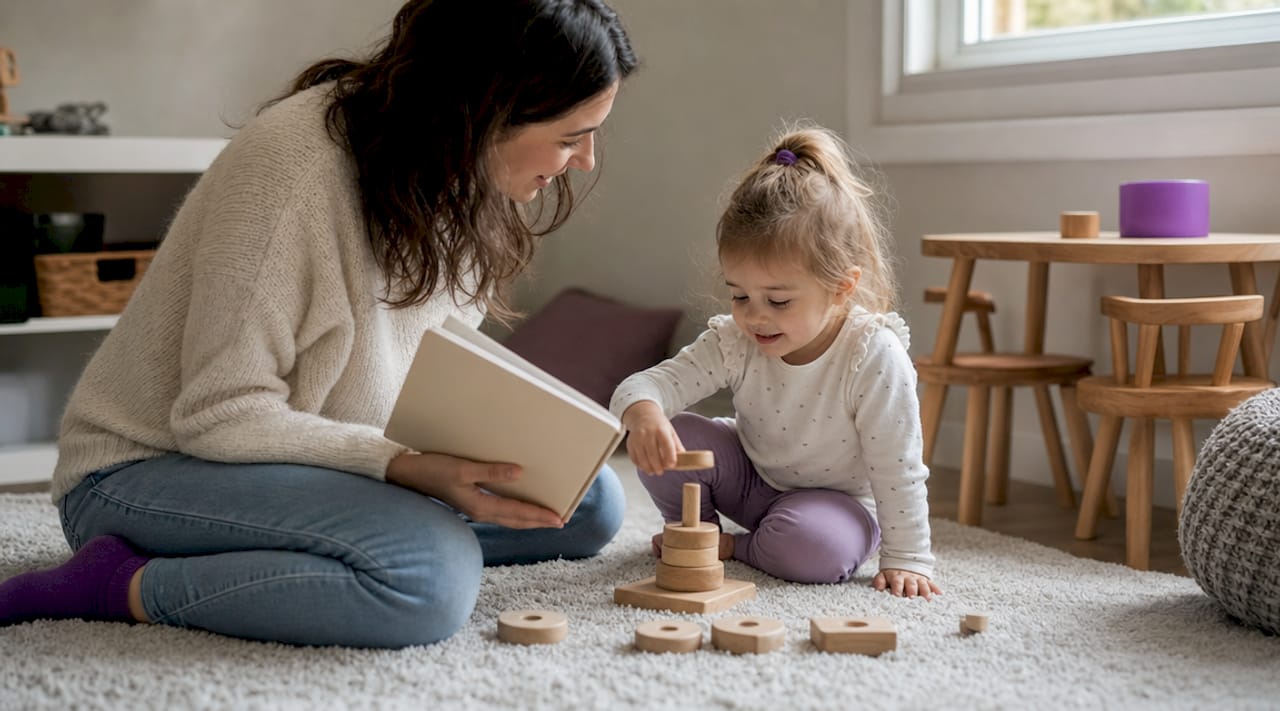
Fine motor skill development is the physical foundation of writing readiness. Without the hand strength and coordination to grip a pencil, even the most motivated child will struggle. The good news is that the best fine motor activities feel nothing like practice.
Here are the most effective options for ages 3 to 6:
- Play-Doh shaping and rolling. Squeezing, pinching, and rolling Play-Doh builds the exact hand muscles used in pencil grip. Ten minutes of free play with it counts as genuine prewriting exercise.
- Threading and lacing. Stringing beads or lacing cards develops the pincer grip and hand-eye coordination that letter formation demands.
- Cutting with child-safe scissors. Cutting along lines trains the bilateral coordination needed for controlled writing movements.
- Chalk writing on pavement. The resistance of chalk on concrete gives children stronger sensory feedback than paper, which helps them feel the pressure needed for writing.
- Finger painting and cotton swab painting. Both activities isolate individual finger control, which directly supports pencil use later.
Physical literacy interventions improve preschoolers’ stationary fundamental movement skills, a key foundation for handwriting. Children in structured movement programs showed measurable gains in the motor control that writing requires. This means that outdoor play, yoga poses, and balance activities are not separate from writing readiness. They are part of it.
Pro Tip: Weave fine motor activities into transitions and routines. Letting a child button their own coat, tear paper for a collage, or squeeze a water bottle at snack time adds motor practice without adding a single extra activity to your day.
3. How meaningful communication motivates early writing
Skill without motivation produces reluctant writers. The most effective writing readiness activities connect mark-making to something the child genuinely wants to say. Purpose transforms practice into communication.
Research confirms this directly. Task adherence is 66% higher when preschoolers receive contextual prompts rather than abstract writing tasks. Framing a writing activity as a mini-story or real-world scenario dramatically increases how long children stay engaged and how much effort they invest.
Practical ways to build meaningful writing experiences include:
- Making greeting cards. A birthday card for grandma gives a child a real reason to write their name or draw a message.
- Dramatic play with writing materials. A pretend restaurant with order pads, a doctor’s office with prescription forms, or a post office with envelopes turns writing into play.
- Outdoor mark-making. Sticks in sand, chalk on sidewalks, and fingers in mud all count as writing when the child assigns meaning to the marks.
- Dictation journals. A child dictates a story while the adult writes it down. The child then illustrates it. This honors their ideas while modeling what writing looks like.
“Children have the right to use writing as inquiry, self-expression, and identity development even as the youngest writers.” — NCTE
Research on instructional support for early writing shows that half of all instructional strategies focus on transcription skills like spelling and letter formation, while generative composing support receives far less attention. Balancing both is what produces writers who are skilled and willing.
4. Play-based writing activities for everyday settings
Play-based writing activities work because they meet children inside experiences they already love. The QCAA recommends integrating mark-making into block areas, dramatic play, and sandpits rather than isolating writing to a single desk-based session. This approach produces more natural, sustained engagement.
Here is a practical mix of activities for home and classroom:
- Sandtray letter tracing. Pour sand into a shallow tray and let children trace letters with a finger. The tactile feedback is strong, and mistakes disappear instantly, which removes the fear of getting it wrong.
- Letter-matching games. Print uppercase and lowercase letter cards and ask children to pair them. This builds letter recognition before formal writing begins.
- Glue designs on paper. Squeezing a glue bottle along a letter shape builds hand control and gives children a physical, three-dimensional version of the letter to feel.
- Writing corners in play areas. Stock a corner with clipboards, stamps, envelopes, and markers. Children will use them naturally during imaginative play without any prompting.
- Reusable tracing books. Tools like Littlepumpkins’ magic ink tracing and handwriting books let children trace letters repeatedly without wasting paper, which is ideal for children who need many repetitions before a skill sticks.
Pro Tip: Rotate materials in your writing corner every two weeks. Novelty drives engagement. Swapping in new stamps, colored chalk, or a different tracing book resets a child’s curiosity and keeps the space feeling fresh.
The comparison below shows how different activity types support specific writing readiness skills:
| Activity | Primary skill developed |
|---|---|
| Play-Doh shaping | Hand strength and pincer grip |
| Sandtray tracing | Letter formation and tactile awareness |
| Dramatic play with writing materials | Communication motivation and print awareness |
| Cotton swab painting | Isolated finger control |
| Reusable tracing books | Letter formation and repetition without frustration |
5. How writing readiness is assessed in preschoolers
Knowing where a child stands helps you choose the right activities. Assessment does not mean testing. It means watching carefully and using the right tools to understand what you see.
The WRITIC (Writing Readiness Inventory Tool In Context) is the most research-supported assessment for ages 5 to 6. Developed by Amsterdam University of Applied Sciences (AUAS), WRITIC combines interest questionnaires with observed paper-pencil tasks in natural classroom settings. It is valid and predictive for identifying children who are genuinely ready versus those who are disengaged or struggling with motor control.
The key insight from WRITIC’s methodology is that motivation and context matter as much as fine motor skill scores. A child who refuses to write may lack motor readiness, or they may simply find the task meaningless. These two situations require completely different responses from a parent or educator.
Signs of strong writing readiness include sustained interest in mark-making, attempts to write their own name, curiosity about letters in their environment, and willingness to hold a pencil or crayon for more than a few seconds. Signs of reluctance worth noting include avoiding drawing entirely, strong resistance to holding writing tools, and disinterest in books or print.
For everyday observation, keep a simple log. Note which activities a child chooses freely, how long they stay engaged, and what their marks look like over time. This informal record is often more useful than a single formal assessment.
Key takeaways
Writing readiness activities are most effective when they combine fine motor skill development, meaningful communication, and play-based contexts distributed throughout the day rather than confined to a single writing session.
| Point | Details |
|---|---|
| Follow the developmental sequence | Start with dictation and storytelling before expecting letter formation from young children. |
| Build motor skills through play | Play-Doh, threading, chalk, and cutting develop the hand strength writing requires. |
| Use contextual prompts | Framing tasks as real-world scenarios increases preschooler task adherence by 66%. |
| Assess motivation alongside skill | WRITIC shows that disengagement and motor difficulty require different responses from educators. |
| Distribute activities across the day | Integrating mark-making into dramatic play and outdoor time produces stronger results than isolated writing time. |
Why I think we underestimate the power of purposeful marks
I have spent years watching children interact with writing materials, and the pattern is always the same. The child who fills a page with scribbles while narrating a story about dragons is doing more important writing work than the child who traces a perfect letter A with zero interest in what it means.
The field still leans too heavily on transcription. We celebrate neat letters and correct pencil grip while undervaluing the child who is building a rich inner sense of what writing is for. That motivation is the engine. The mechanics are just the vehicle.
What I have found actually works is giving children writing materials with a purpose attached. Not “practice your letters” but “let’s write a note for your dad” or “can you draw the map of your block tower so we remember how to build it again?” These small shifts in framing produce children who reach for pencils voluntarily.
Respecting invented spelling and symbolic marks is not lowering the bar. It is meeting children where their literacy actually lives, which is the only place real growth starts. The Littlepumpkins learning tools get this right by making the act of tracing feel magical rather than corrective, which keeps children coming back to the page.
— Bobby
How Littlepumpkins supports writing readiness at home
Littlepumpkins designs writing tools specifically for children aged 3 to 6, built around the idea that learning to write should feel like play. Their reusable magic ink tracing books let children practice letter formation in English, Punjabi, Hindi, and other languages without the pressure of permanent mistakes. The magic ink technology means every page resets, so children can repeat each letter as many times as they need. For families who want to connect writing practice to cultural heritage, Littlepumpkins offers a range of multilingual writing books that make bilingual learning feel natural and exciting. Explore the full collection and find the right fit for your child.
FAQ
What does writing readiness mean for preschoolers?
Writing readiness refers to the combination of fine motor skills, language development, and motivation that prepares a child to form letters and communicate through writing. It develops gradually from storytelling and scribbling through to conventional letter formation.
How is writing readiness assessed in preschoolers?
The WRITIC assessment tool measures both interest and observed paper-pencil task performance in natural classroom settings, making it valid and predictive for children aged 5 to 6. Informal observation of a child’s engagement with mark-making materials is equally useful for everyday monitoring.
What are the best writing readiness tools for ages 3 to 6?
Effective tools include sandtrays, Play-Doh, child-safe scissors, reusable tracing books, and writing corners stocked with stamps and clipboards. Littlepumpkins’ magic ink tracing books are particularly effective because they allow unlimited repetition without frustration.
How do I make writing activities more engaging for reluctant writers?
Use contextual prompts that frame writing as a real-world task, such as making a card, writing a pretend menu, or drawing a map. Research shows task adherence is 66% higher when preschoolers are given purposeful, story-based writing contexts rather than abstract drills.
When should I start writing readiness activities with my child?
You can begin as early as age 2 to 3 with fine motor play like Play-Doh and finger painting. Formal letter tracing is most appropriate from age 4 onward, once a child shows interest in letters and can hold a writing tool with basic control.